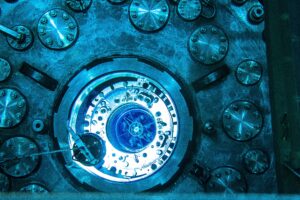
ANT
Advanced Modular Reactor (AMR) – The Future of Nuclear Energy Explained
The concept of an Advanced Modular Reactor, or AMR, has the potential to create an exciting nuclear future – innovating in technology, safety and more.

The concept of an Advanced Modular Reactor, or AMR, has the potential to create an exciting nuclear future – innovating in technology, safety and more.
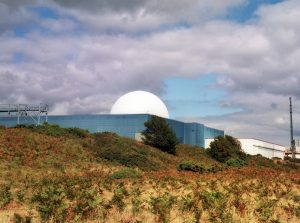
The Pressurised Water Reactor, or PWR, is the most common fission reactor design in the world today, accounting for approximately 70% of nuclear power reactors.
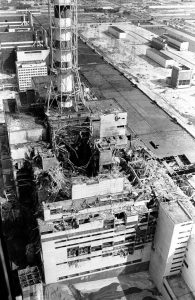
RBMK reactors, once symbols of Soviet engineering prowess, now serve as reminders of the critical importance of nuclear safety and modernisation.

A nuclear submarine is an advanced vessel powered by a nuclear reactor, enabling it to operate underwater for extended periods without refuelling.
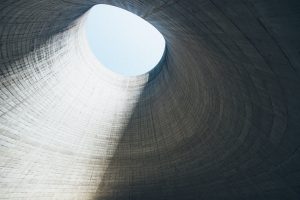
A nuclear cooling tower is a towering testament to the unbelievable power of a nuclear reactor. Find out what they are for and how they work.
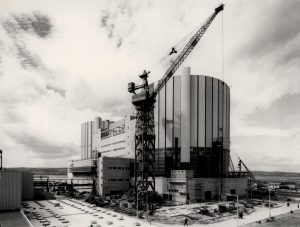
Developed in the United Kingdom during the mid-20th century, Magnox Reactors were pivotal in demonstrating the feasibility of nuclear power.
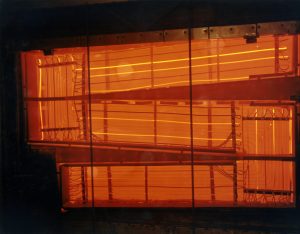
A molten salt reactor uses liquid salt as fuel and coolant, offering safer, more efficient nuclear energy with less waste and higher temperature operation.
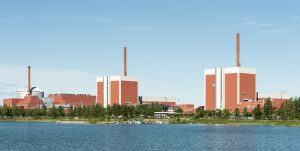
Boiling Water Reactors, or BWRs, are the second most common nuclear reactors in the world today. A Boiling Water Reactor directly boils water within the reactor core to produce steam, used to drive turbines and generate electricity.
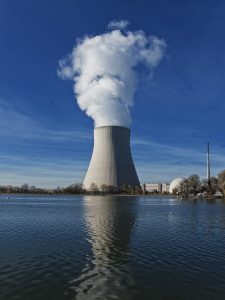
How does a nuclear power station keep running for decades? How do we know what’s going on inside the reactor? How do we repair it when it breaks?
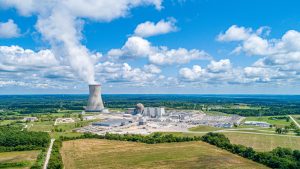
What goes on behind the fence at a nuclear power station? What are all those buildings for and how does it all work together?