
What is Plutonium?
Plutonium is a radioactive chemical element with the symbol Pu and atomic number 94. It’s part of the actinide series and was first discovered in 1940 by scientists Glenn T. Seaborg and Edwin McMillan. While tiny amounts of plutonium can be found in nature, most of the plutonium we encounter is synthetically produced in nuclear reactors. Named after the dwarf planet Pluto, this element holds a unique place in scientific history due to its complex chemistry and powerful applications.
One of plutonium’s most defining characteristics is its radioactivity. It exists in several isotopes, but plutonium-239 stands out for its ability to sustain a rapid chain reaction, making it a key material in nuclear weapons. In fact, the bomb dropped on Nagasaki during World War II was fuelled by plutonium. Beyond warfare, plutonium plays a critical role in energy production. It’s used in certain nuclear reactors, especially when blended with uranium in mixed oxide (MOX) fuel, which helps recycle spent fuel and reduce nuclear waste.
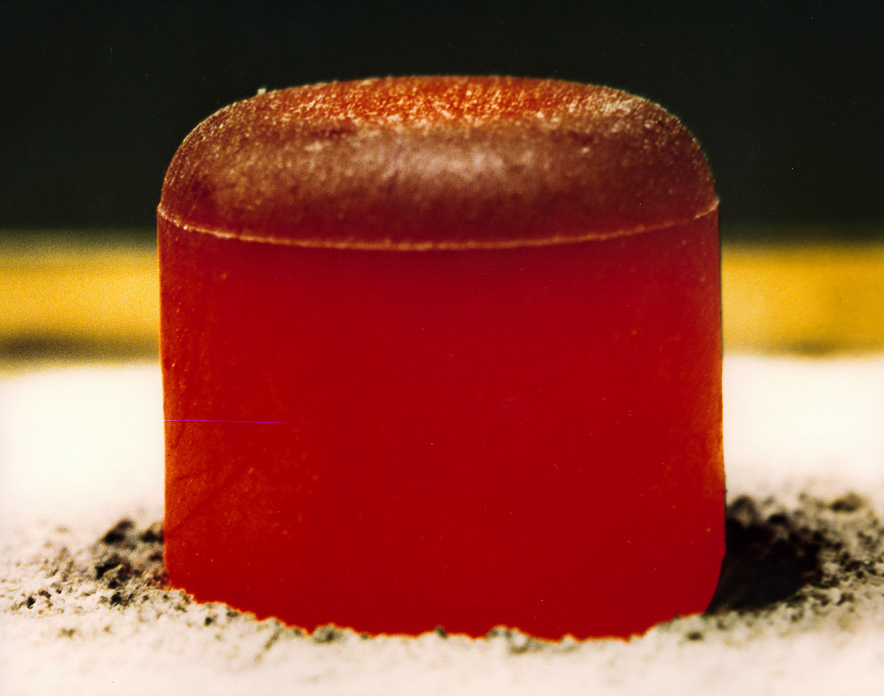
Understanding Plutonium Isotopes: Their Properties and Applications
Plutonium exists in a number of isotopic forms, each with distinct characteristics and applications. Although there are 22 known isotopes of plutonium, only a few have significant practical relevance. These isotopes vary widely in terms of half-life, radioactivity, and nuclear properties, which determine how and where they’re used.
| Isotope | Half-Life | Decay Mode | Key Properties | Applications |
|---|---|---|---|---|
| Pu-238 | 87.7 years | Alpha | High heat output, non-fissile | RTGs for spacecraft, pacemakers |
| Pu-239 | 24,110 years | Alpha | Fissile, supports chain reactions | Nuclear weapons, reactor fuel |
| Pu-240 | 6,561 years | Alpha | Fissionable (not fissile), neutron emitter | Mixed oxide (MOX) fuel, reactor byproduct |
| Pu-241 | 14.3 years | Beta | Fissile, decays into americium-241 | Reactor fuel, contributes to long-term waste |
| Pu-242 | 375,000 years | Alpha | Very stable, non-fissile | Long-lived waste, research |
| Pu-244 | 81.3 million years | Alpha | Extremely stable, trace natural presence | Scientific research, cosmic studies |
What are the Uses of Plutonium?
Nuclear Weapons
Plutonium-239 is a key material in the development of nuclear weapons due to its ability to sustain a rapid chain reaction. Its fissile nature allows for the release of immense energy when triggered, making it suitable for atomic bomb cores. The bomb dropped on Nagasaki in 1945 was powered by plutonium, and the element continues to be used in modern nuclear arsenals. A single kilogram of plutonium can produce an explosion equivalent to over 10,000 tonnes of chemical explosives.
Nuclear Power Generation
In civilian energy production, plutonium plays a vital role as a nuclear fuel. It is used in mixed oxide (MOX) fuel, which combines plutonium with uranium to power certain types of reactors. This approach helps recycle spent nuclear fuel, reducing waste and extending the life of nuclear resources. One kilogram of Pu-239 can generate nearly 8 million kilowatt-hours of electricity in a conventional reactor.

Space Exploration
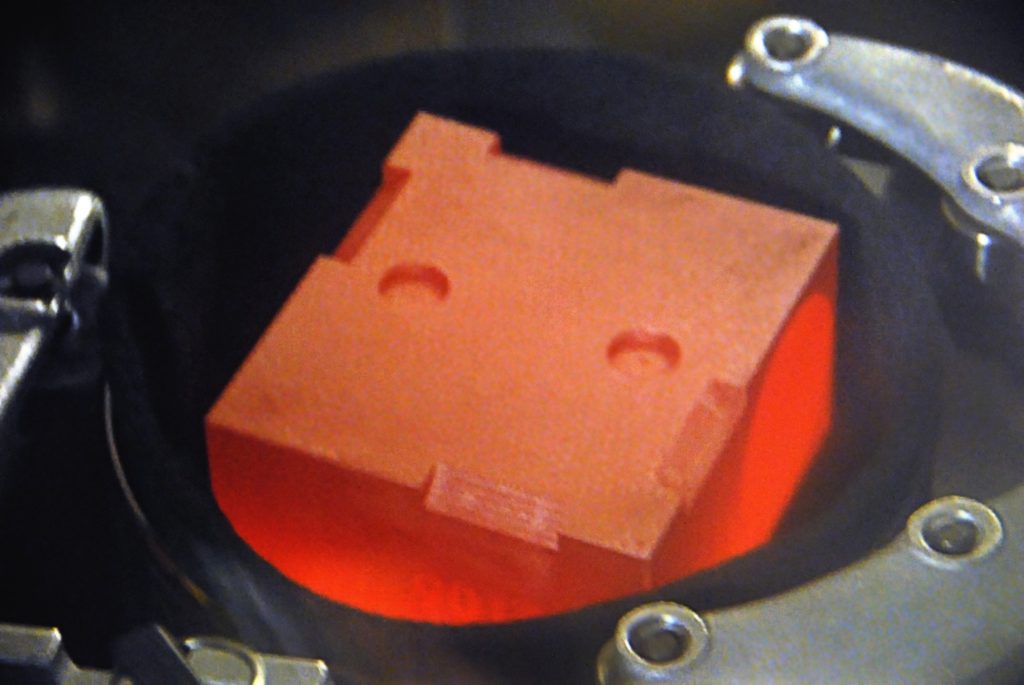
Plutonium-238 is widely used in space missions for its ability to generate heat through radioactive decay. This heat is converted into electricity via radioisotope thermoelectric generators (RTGs), which power spacecraft operating far from the Sun. RTGs have been used in missions such as the Mars Curiosity Rover, Voyager probes, and New Horizons spacecraft, enabling long-term exploration of deep space.
Scientific Research
Certain isotopes of plutonium, such as Pu-244, are used in scientific research, particularly in studying cosmic phenomena and the early solar system. These isotopes help researchers understand the formation of planets and the distribution of elements in space. Plutonium’s unique nuclear properties also make it valuable in experimental physics and reactor design.
Environmental and Tracing Applications
Plutonium isotopes are used to trace environmental contamination and study the movement of radioactive materials. Isotope ratios like Pu-240/Pu-239 serve as nuclear “fingerprints,” helping scientists identify sources of pollution and monitor nuclear activity. These applications are crucial for environmental safety and regulatory compliance.

The History of Plutonium
Discovery and Naming
Plutonium was first synthesised in December 1940 by a team of American scientists (Glenn T. Seaborg, Edwin McMillan, Joseph Kennedy, and Arthur Wahl) at the University of California, Berkeley. They created it by bombarding uranium-238 with deuterons in a cyclotron, producing neptunium-238, which then decayed into plutonium-238. The element was named after Pluto, following the tradition of naming elements after planets, as it came after neptunium (named after Neptune).
Early Research and Isolation
In 1941, researchers discovered that plutonium-239 could undergo fission when struck by slow neutrons, making it a potential fuel for nuclear reactors and weapons. This revelation led to intense interest in the element’s properties. In 1942, Burris Cunningham and Louis Werner successfully isolated a microgram of pure plutonium-239 compound at the University of Chicago’s Metallurgical Laboratory, marking the first time a compound of a synthetic element had been produced in measurable quantity.

Role in the Manhattan Project
Plutonium’s potential as a weapon material was quickly recognised, and it became a central focus of the Manhattan Project during World War II. Scientists developed methods to produce plutonium-239 in nuclear reactors, notably at the X-10 Graphite Reactor in Oak Ridge, Tennessee, and the Hanford Site in Washington. The first plutonium-based atomic bomb, nicknamed “Fat Man” was detonated over Nagasaki on August 9, 1945, demonstrating the devastating power of the element.
Post-War Production and Use
After the war, plutonium production continued for both military and civilian purposes. It became a key component in nuclear weapons stockpiles and was also used in nuclear reactors, particularly in mixed oxide (MOX) fuel. The Cold War era saw large-scale production and accumulation of plutonium, raising concerns about environmental contamination and nuclear proliferation.
Where can Plutonium be found?
Natural Occurrence
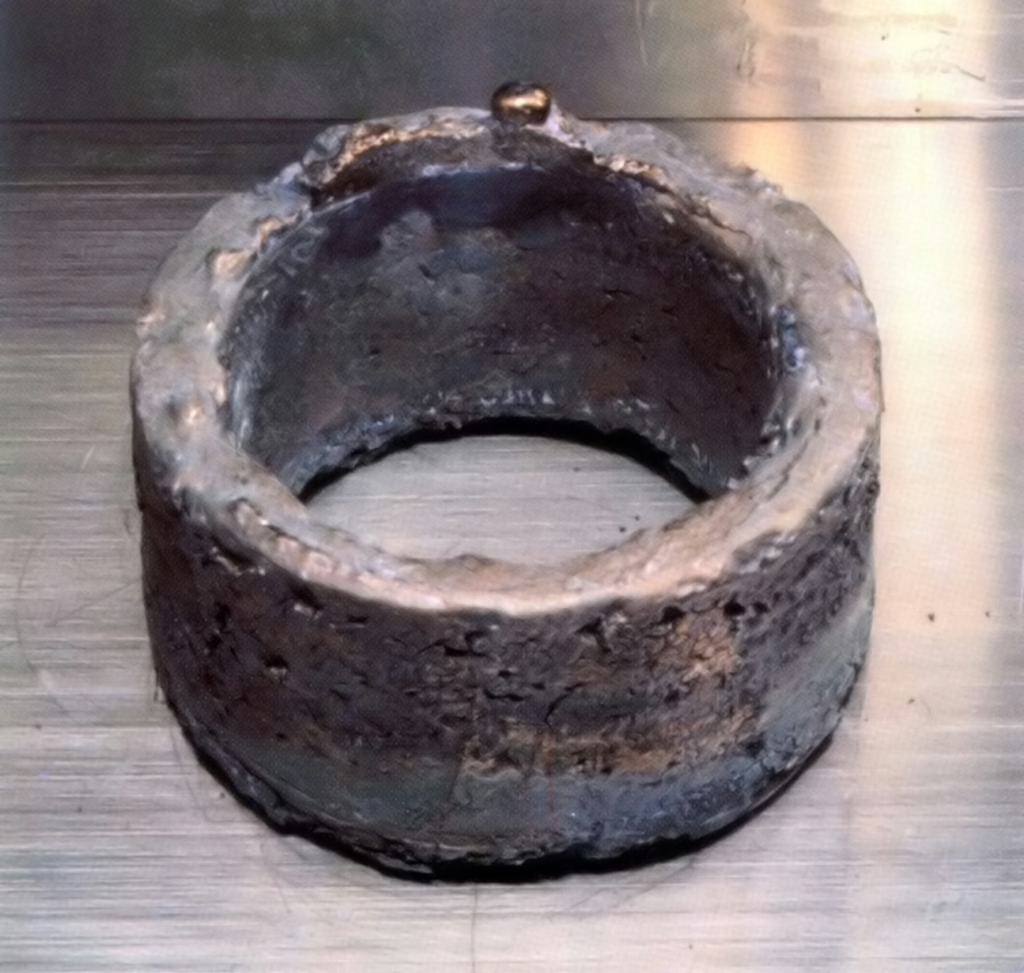
Plutonium is not commonly found in nature. Trace amounts of plutonium-239 and plutonium-244 exist in uranium ores, formed through rare neutron capture events. These natural occurrences are extremely limited and not commercially viable for extraction. Plutonium-244, in particular, is believed to be primordial, meaning it formed during supernovae before the Earth existed, but its presence in the Earth’s crust is vanishingly small.
Nuclear Reactors
The vast majority of plutonium found today is manmade, produced in nuclear reactors. When uranium-238 absorbs a neutron, it transforms into plutonium-239 through a series of decay steps. This process occurs continuously in operating reactors, especially in pressurised water reactors and breeder reactors. Plutonium accumulates in spent nuclear fuel and can be extracted through reprocessing for use in mixed oxide (MOX) fuel or other applications.

Weapons Production Sites
Large quantities of plutonium were historically produced at specialised facilities for nuclear weapons programs. Sites like the Hanford Site in the United States and Mayak in Russia were designed to irradiate uranium fuel for short periods to maximize plutonium-239 yield. These locations still contain significant plutonium inventories, both in active stockpiles and in legacy waste.
Environmental Contamination
Due to atmospheric nuclear weapons testing in the mid-20th century, trace amounts of plutonium have been dispersed globally. These particles settled into soil and sediment and can still be detected in certain regions. Additionally, accidental releases from nuclear facilities have led to localised contamination, requiring long-term monitoring and clean-up.

What are the effects of Plutonium exposure?
Radioactive Toxicity
Plutonium is a highly radioactive element, and its isotopes—especially plutonium-239 and plutonium-238—emit alpha particles during decay. While alpha radiation cannot penetrate skin, it becomes extremely dangerous when plutonium is inhaled or ingested. Once inside the body, it can lodge in the lungs, liver, or bones, where it continues to emit radiation and damage surrounding tissues. This internal exposure significantly increases the risk of cancer, particularly lung and bone cancers.
Environmental Persistence
Plutonium has a long half-life. Pu-239, for example, lasts over 24,000 years, making it a persistent environmental hazard. Once released into the environment, it can contaminate soil and water and remain radioactive for millennia. Clean-up and containment are extremely challenging, and improper disposal can lead to widespread contamination.
Explore Further
Choose from the articles below to continue learning about nuclear.
Plutonium – From Atomic Bombs to Space Missions
Molten Salt Reactor (MSR) – The Future of Clean Energy?
Enrichment – Because Natural Uranium Just Isn’t Enough
Nuclear Cooling Tower – An Icon of Nuclear Energy
Did you know? Explore Nuclear also offers great careers information and learning resources.
Below you can find references to the information and images used on this page.
Content References
- NRC Science 101: What Is Plutonium?
- Periodic Table of Elements: Los Alamos National Laboratory
- Understanding Plutonium: Properties, Uses, and Safety Guidelines
- 21 Plutonium Facts (Pu or Atomic Number 94)
- Plutonium: where it is found and what it is like
- Plutonium – Wikipedia
- Plutonium – Element information, properties and uses | Periodic Table
Image References
- Plutonium pellet – Department of Energy – Public Domain
- Radioisotope thermoelectric generator plutonium pellet – Los Alamos National Laboratory – Free to Use: Unless otherwise indicated, this information has been authored by an employee or employees of the Los Alamos National Security, LLC (LANS), operator of the Los Alamos National Laboratory under Contract No. DE-AC52-06NA25396 with the U.S. Department of Energy. The U.S. Government has rights to use, reproduce, and distribute this information. The public may copy and use this information without charge, provided that this Notice and any statement of authorship are reproduced on all copies. Neither the Government nor LANS makes any warranty, express or implied, or assumes any liability or responsibility for the use of this information.
- Plutonium ring – Los Alamos National Laboratory – Free to Use
- Plutonium Metal (oxidized) – Beachheadbenjamin – CC BY-SA 4.0
- Partially-reflected-plutonium-sphere – Los Alamos National Laboratory – Free to Use
- Worker holding a plutonium button – Federal government of the United States – Public Domain
- Plutonium Tetrafluoride PuF4 from Hanford Site – Unknown Author – Public Domain
- Hanford B Reactor – Unknown Author – Public Domain