
What is a Nuclear Battery?
Understanding Nuclear Batteries
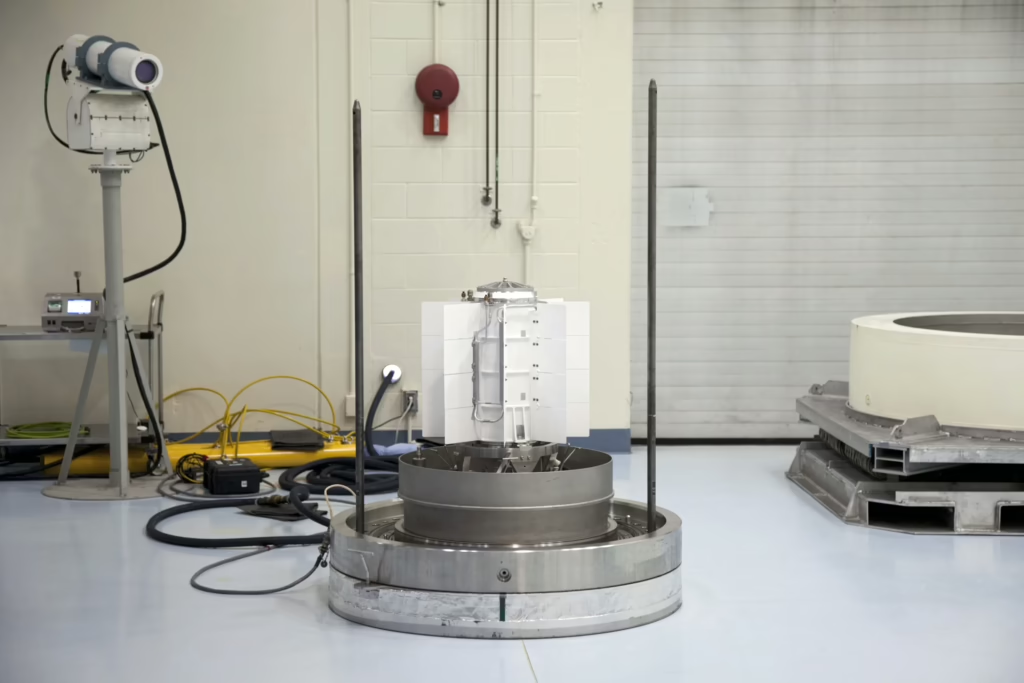
Nuclear batteries, also known as atomic batteries or radioisotope generators, are devices that convert the energy from radioactive decay into usable electrical power. They differ significantly from traditional batteries in both mechanism and longevity. While a standard lithium-ion battery might last a few years, a nuclear battery can function for decades without maintenance.
There are several types of nuclear batteries, each with its own method of energy conversion. The most common are RTGs, which use heat from radioactive decay to generate electricity via thermoelectric materials. Others, like betavoltaic devices, convert beta particles directly into electric current using semiconductor junctions.
Types of Nuclear Batteries
| Type | Overview | How They Work | Applications | Advantages |
|---|---|---|---|---|
|
Radioisotope Thermoelectric Generators (RTGs) |
RTGs are the most widely used type of nuclear battery. They convert heat from radioactive decay into electricity using thermoelectric materials via the Seebeck effect. |
A radioactive isotope (commonly plutonium-238) emits heat, which creates a temperature difference across thermoelectric materials, generating electricity. |
RTGs are used in space missions (e.g., Voyager, Curiosity rover), remote weather stations, and deep-sea equipment. |
Long lifespan, no moving parts, reliable in extreme environments. |
|
Radioisotope Thermophotovoltaic Generators (RTPVs) |
RTPVs use a similar heat source as RTGs but convert thermal radiation into electricity using photovoltaic cells, much like solar panels. |
The radioactive material heats a thermal emitter, which radiates infrared light. This light is then converted into electricity by photovoltaic cells. |
Still largely experimental, but promising for spacecraft and military systems. |
Potentially higher efficiency than RTGs, compact design. |
|
Betavoltaic Batteries |
Betavoltaic batteries generate electricity from beta particles (electrons) emitted during radioactive decay. |
Beta particles strike a semiconductor junction, creating electron-hole pairs that generate a current—similar to how solar cells work with photons. |
Used in low-power devices like medical implants, sensors, and military electronics. |
Extremely long life (up to decades), very compact, low maintenance. |
|
Alphavoltaic Batteries |
Similar to betavoltaic batteries, alphavoltaic batteries use alpha particles instead of beta particles to generate electricity. |
Alpha particles interact with a semiconductor to produce a current. |
Mostly experimental, with potential for microelectronics and space systems. |
High energy density, long lifespan, low radiation penetration (safer shielding). |
|
Nuclear Diamond Batteries (Diamond Betavoltaics) |
A cutting-edge concept, nuclear diamond batteries use carbon-14 (a radioactive isotope) embedded in artificial diamond to create a betavoltaic cell. |
Beta decay from carbon-14 generates a small electric current within the diamond structure. |
Still in development, but envisioned for IoT devices, space probes, and medical implants. |
Extremely long life (potentially thousands of years), very low radiation risk, solid-state design. |
How does a Nuclear Battery work?
Radioactive Decay: The Energy Source
At the heart of the most common type of nuclear battery (i.e. Radioisotope Thermoelectric Generators) is a radioactive isotope, such as plutonium-238, strontium-90, or americium-241. These isotopes undergo radioactive decay, a process in which unstable atomic nuclei release energy in the form of particles and heat. This decay happens steadily over time, providing a continuous source of thermal energy.
Heat Generation
As the radioactive material decays, it emits alpha particles (in most RTGs), which are absorbed by the surrounding material. This absorption converts the particle energy into heat. The amount of heat produced depends on the isotope used and its half-life, which determines how quickly it decays.
Thermoelectric Conversion
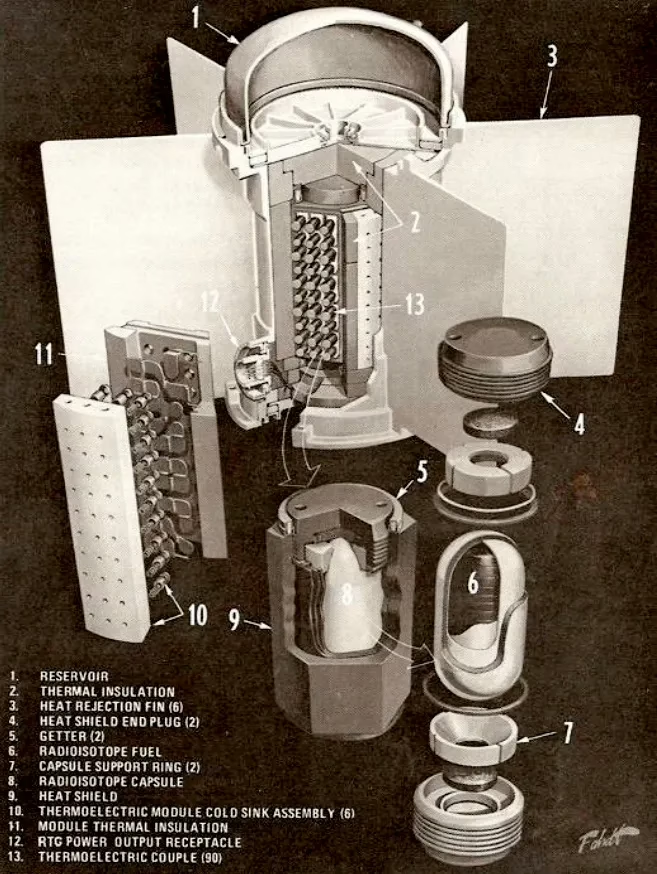
The heat generated by radioactive decay is converted into electricity using thermoelectric materials. These materials exploit the Seebeck effect, where a temperature difference across a thermoelectric junction creates a voltage. In a nuclear battery:
- One side of the thermoelectric module is heated by the radioactive source.
- The other side is kept cool, often by radiating heat into space or the surrounding environment.
- The temperature gradient causes electrons to flow, generating direct current (DC) electricity.
Power Output and Efficiency
Nuclear batteries typically produce low power output, ranging from milliwatts to a few hundred watts, but they can operate for decades without maintenance. Their efficiency is relatively low (often under 10%), but their reliability and longevity make them ideal for specialised applications.
Shielding and Safety
To protect users and the environment, nuclear batteries are encased in protective shielding. This shielding blocks harmful radiation and prevents the release of radioactive material in case of damage. RTGs used in space missions, for example, are designed to survive launch failures without leaking radiation.
Pros & Cons of a Nuclear Battery
Pros of Nuclear Batteries
Long Operational Life
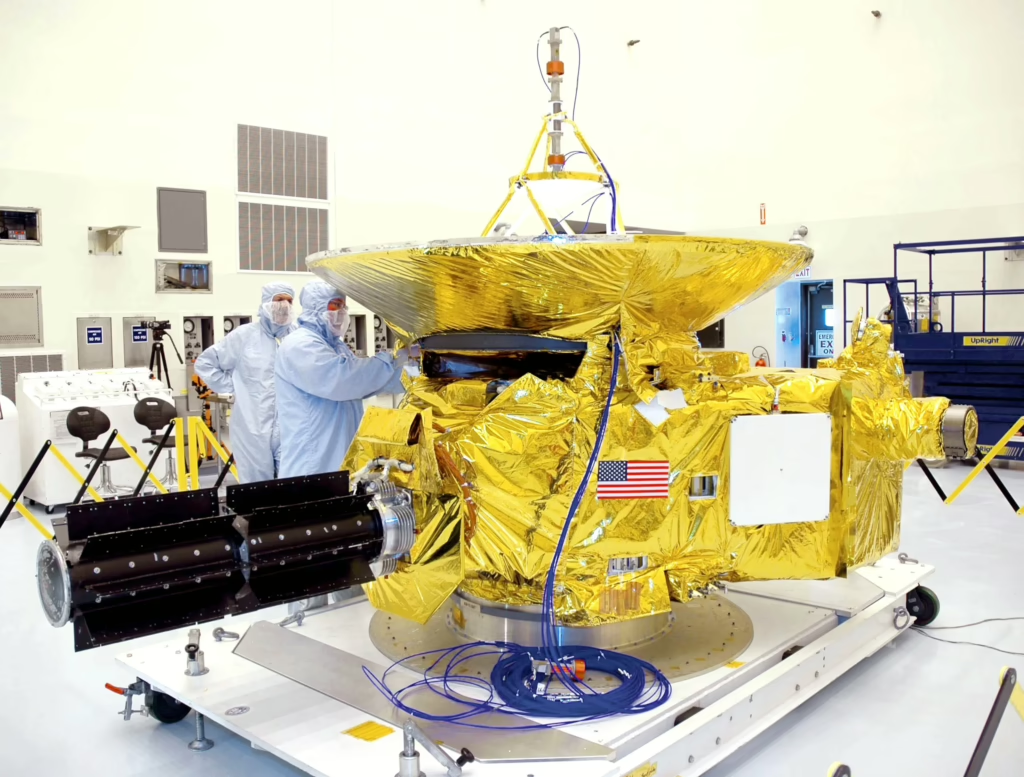
One of the most significant advantages of nuclear batteries is their exceptional longevity. Depending on the isotope used, they can provide power for decades without needing replacement or maintenance. This makes them ideal for missions and devices that must operate unattended for long periods.
Reliable and Consistent Power
Unlike solar panels or chemical batteries, nuclear batteries deliver steady power output regardless of environmental conditions. They are unaffected by temperature extremes, darkness, or weather, making them highly reliable in harsh or remote environments.
Compact and Lightweight
Nuclear batteries have a high energy density, meaning they can store a large amount of energy in a small volume. This compactness is especially valuable in spacecraft, medical devices, and autonomous systems where size and weight are critical constraints.
Maintenance-Free Operation
Once deployed, nuclear batteries require no refueling or servicing, which is a major benefit for applications in inaccessible or dangerous locations, such as deep space, ocean floors, or polar regions.
Cons of Nuclear Batteries
Radioactive Material Risks
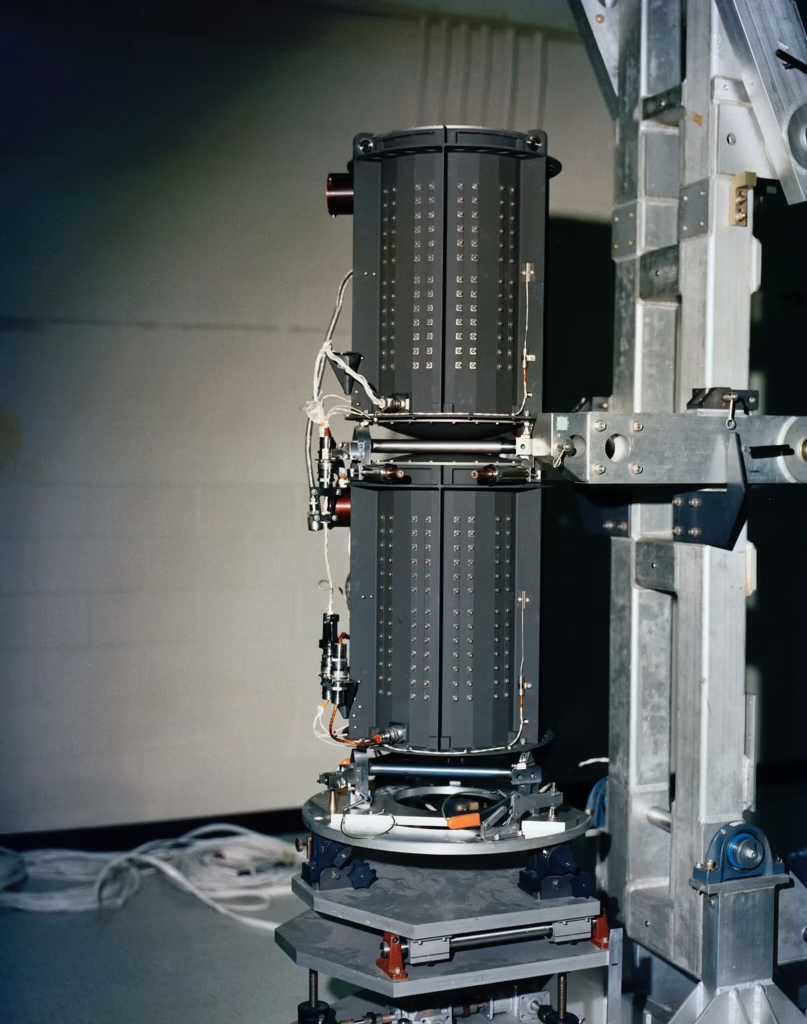
The use of radioactive isotopes poses safety and environmental risks. If a nuclear battery is damaged or improperly handled, it could release harmful radiation. This requires strict containment and shielding, as well as careful disposal procedures.
Limited Power Output
Despite their longevity, nuclear batteries typically produce low levels of electrical power, often in the range of milliwatts to a few hundred watts. This limits their use to devices with modest energy requirements, such as sensors or small instruments.
High Cost and Complexity
Producing nuclear batteries involves complex engineering, specialised materials, and regulatory compliance, all of which contribute to high costs. Their use is generally restricted to government, military, and scientific projects with substantial budgets.
Regulatory and Public Concerns
Due to the involvement of radioactive materials, nuclear batteries face strict regulations and public scrutiny. Their deployment is often limited by legal frameworks and societal concerns about nuclear safety, especially in civilian contexts.

Safety and Environmental Considerations
Safety is paramount when dealing with radioactive materials. Nuclear batteries are designed with robust shielding to prevent radiation leakage and are typically encased in materials that can withstand crashes, explosions, and environmental degradation. Disposal is carefully managed, often involving secure containment and long-term storage.
Environmental impact is relatively low compared to fossil fuel-based energy sources, especially considering the longevity and efficiency of nuclear batteries. However, the production and disposal of radioactive isotopes must be handled with strict oversight to prevent contamination and ensure public safety.
Applications of Nuclear Batteries
Space Exploration
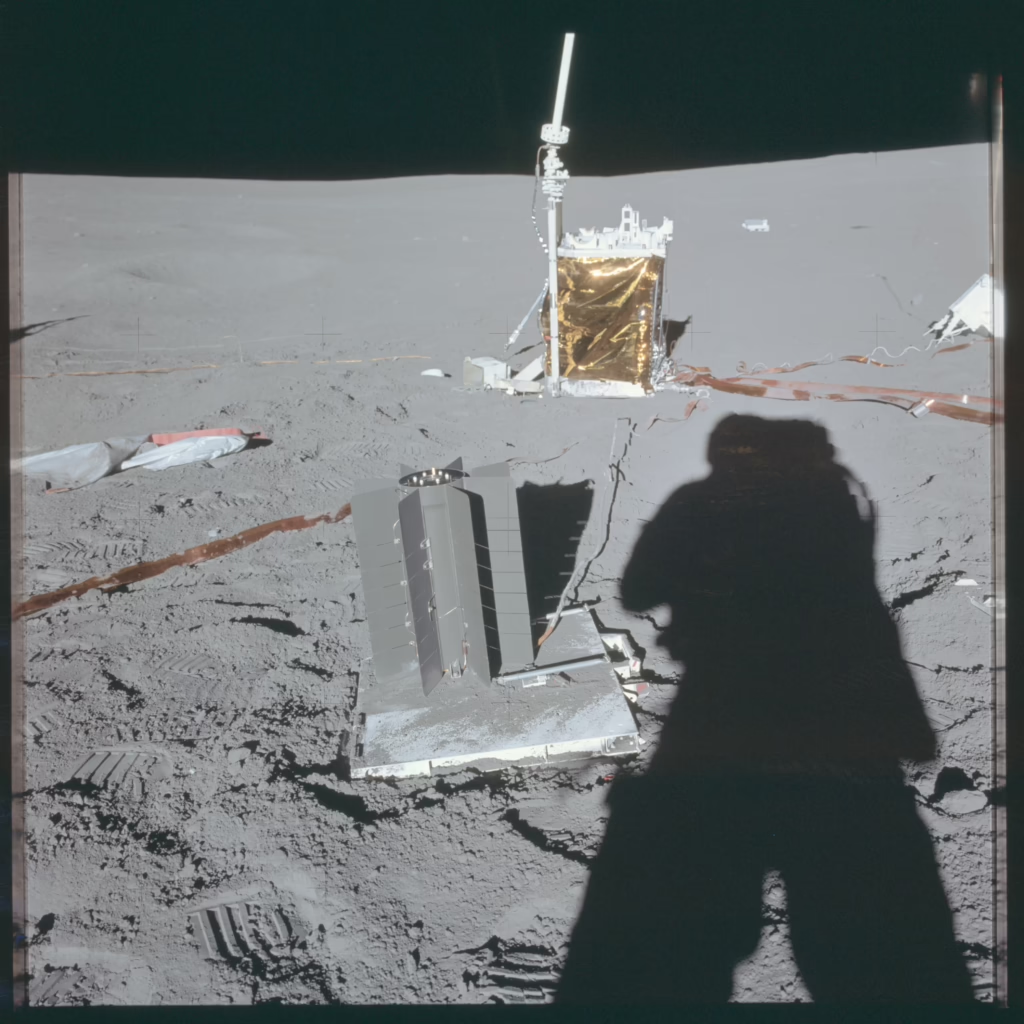
One of the most prominent applications of nuclear batteries is in space missions. Spacecraft often operate far from the Sun or in environments where solar panels are ineffective. RTGs provide a reliable source of power for:
- Deep-space probes like Voyager 1 and 2, which have been transmitting data for decades.
- Mars rovers such as Curiosity and Perseverance, which rely on RTGs to operate in dusty, low-light conditions.
- Planetary orbiters and landers, where long-term energy supply is critical.
These batteries are chosen for their durability, compact size, and ability to function in extreme conditions without human intervention.
Remote and Harsh Environments
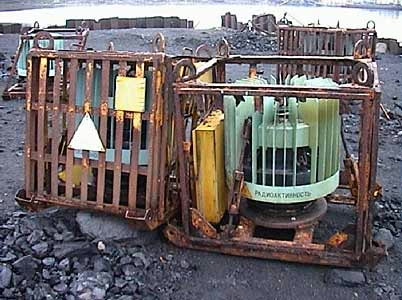
Nuclear batteries are ideal for powering equipment in remote or inaccessible locations, where regular maintenance or battery replacement is impractical. Examples include:
- Arctic and Antarctic research stations, where solar power is unreliable during long winters.
- Deep-sea sensors used for oceanographic studies or submarine communications.
- Volcanic or seismic monitoring stations, which require continuous power in hazardous zones.
Their long operational life and resistance to environmental extremes make them invaluable in these settings.
Military and Defense Applications
In defense, nuclear batteries are used in systems that require stealth, endurance, and reliability. These include:
- Unmanned underwater vehicles (UUVs) and autonomous surveillance systems.
- Remote sensing and communication devices deployed in strategic locations.
- Backup power for critical infrastructure, especially in scenarios where conventional power sources may be compromised.
Due to their low detectability and long lifespan, nuclear batteries are well-suited for covert and long-duration missions.
Medical Devices
In the past, nuclear batteries were used in medical implants, particularly pacemakers. Isotopes like plutonium-238 provided a power source that could last for decades, reducing the need for surgical battery replacements. However, due to safety concerns and regulatory changes, this application has largely been phased out in favor of safer alternatives like lithium-ion batteries.
Scientific Instruments and Research
Nuclear batteries also support scientific instruments that require uninterrupted power over long periods. These include:
- Seismometers and environmental sensors in isolated regions.
- Autonomous research stations on glaciers, deserts, or mountaintops.
- Experimental technologies, such as micro-scale nuclear batteries for future electronics or robotics.
Their ability to operate independently for years makes them ideal for long-term data collection.
Looking Ahead: The Future of Nuclear Batteries
As demand grows for reliable, long-lasting power sources, nuclear batteries are poised to play a larger role in energy innovation. Advances in materials science and miniaturization are making these devices more efficient and versatile. Future missions to Mars, Europa, and beyond will likely depend on RTGs to survive the cold and dark conditions of deep space.
On Earth, nuclear batteries could enable new forms of autonomous technology, from oceanic sensors to disaster-response drones. While challenges remain, particularly in cost and regulation, the potential of nuclear batteries to transform how we power the world is undeniable.
Explore Further
Choose from the articles below to continue learning about nuclear.
Fission – How splitting an atom creates energy
Nuclear Energy – The Key to a Low-Carbon Future
Decommissioning – What goes up, must come down
Did you know? Explore Nuclear also offers great careers information and learning resources.
Below you can find references to the information and images used on this page.
Content References
- Power: Radioisotope Thermoelectric Generators – NASA Science
- An Overview of Radioisotope Thermoelectric Generators
- Nuclear Reactors and Radioisotopes for Space – World Nuclear Association
- Radioisotope thermal generator – Energy Education
- Radioisotope thermoelectric generator – Wikipedia
- Atomic battery – Wikipedia
- Tiny Chinese-made BV100 radioactive battery can last 50 years — and it’s coming in 2025 | Live Science
- What Are Atomic Batteries? Nuclear Battery Technology
Image References
- Isotopic Generator – ENERGY.GOV – Public Domain
- Multi-Mission Radioisotope Thermoelectric Generator for Curiosity – NASA – Public Domain
- Artist’s concept of an atomic battery – ENERGY.GOV – Public Domain
- SNAP19 RTG Labeled Cutaway – NASA – Public Domain
- New Horizons – NASA – Public Domain
- Voyager’s RTG – NASA/JPL–Caltech – Free to Use
- Haise RTG – NASA – Public Domain
- Apollo 14 Hasselblad image – NASA – Public Domain
- Soviet RTG – Finnmark regional government – Free to Use