
Igor Kurchatov's Life
Life and Work
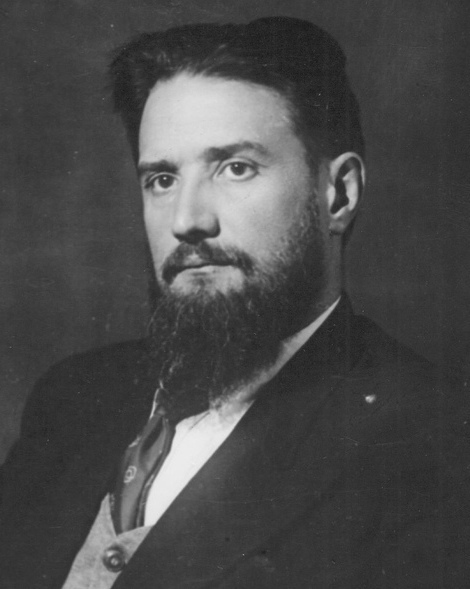
Igor Vasilyevich Kurchatov was born on 12 January 1903 in Simsky Zavod, in the Ural Mountains of Russia. He studied physics at Crimea State University and later naval engineering at the Leningrad Polytechnical Institute. His early career was shaped by his work under Abram Ioffe at the Physico-Technical Institute in Leningrad, where he focused on radioactivity and nuclear science. By the early 1930s, he had secured funding to lead his own research team, which built the Soviet Union’s first cyclotron in 1937.
During World War II, Kurchatov initially worked on protecting Soviet ships from magnetic mines. However, in 1943, he was appointed director of the Soviet atomic weapons program. This was a turning point in his career: under his leadership, the USSR developed its first nuclear reactor in 1946 and successfully tested its first atomic bomb in 1949. These achievements placed the Soviet Union on par with the United States in nuclear capability, reshaping global geopolitics.
Kurchatov’s influence extended beyond weapons. He was instrumental in advancing nuclear energy for peaceful purposes, overseeing the development of the first nuclear power plant in the USSR. His scientific leadership earned him numerous honours, including the Lenin Prize, Stalin Prize, and the title Hero of Socialist Labour. Despite his central role in military projects, he was known to advocate caution in nuclear testing.
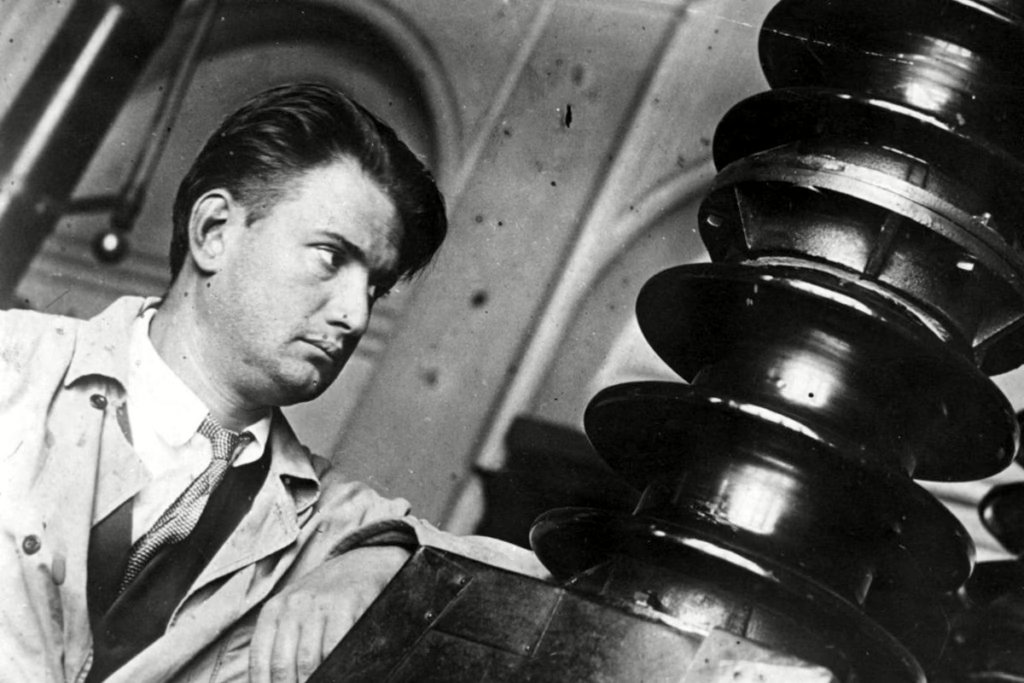
He died on 7 February 1960 in Moscow at the age of 57, and was buried at the Kremlin Wall Necropolis. His legacy remains deeply tied to the Soviet Union’s rise as a nuclear superpower, and he is remembered as both a pioneering scientist and a figure of immense strategic importance in the Cold War.
Igor Kurchatov's Scientific Contributions
Early Research in Physics
Kurchatov began his career in the 1920s at the Physico-Technical Institute in Leningrad under Abram Ioffe. His initial studies focused on ferroelectricity, a property of certain materials that exhibit spontaneous electric polarisation. This work established his reputation as a promising physicist. By the early 1930s, he shifted toward nuclear science, securing funding to study radioactivity and nuclear reactions. In 1937, he oversaw the construction of the first cyclotron in the Soviet Union (and in Europe), which became a crucial tool for nuclear research.
Leadership in Nuclear Weapons Development
During World War II, Kurchatov was appointed in 1943 to direct the Soviet atomic bomb project. He organised and led a vast team of scientists and engineers, guiding the USSR’s nuclear program from its inception. Under his leadership, the Soviet Union built its first nuclear reactor in 1946 and successfully tested its first atomic bomb in 1949, breaking the U.S. monopoly on nuclear weapons. He later oversaw the development of the first practical Soviet thermonuclear bomb, cementing the USSR’s position as a global superpower.
Advancements in Peaceful Nuclear Energy
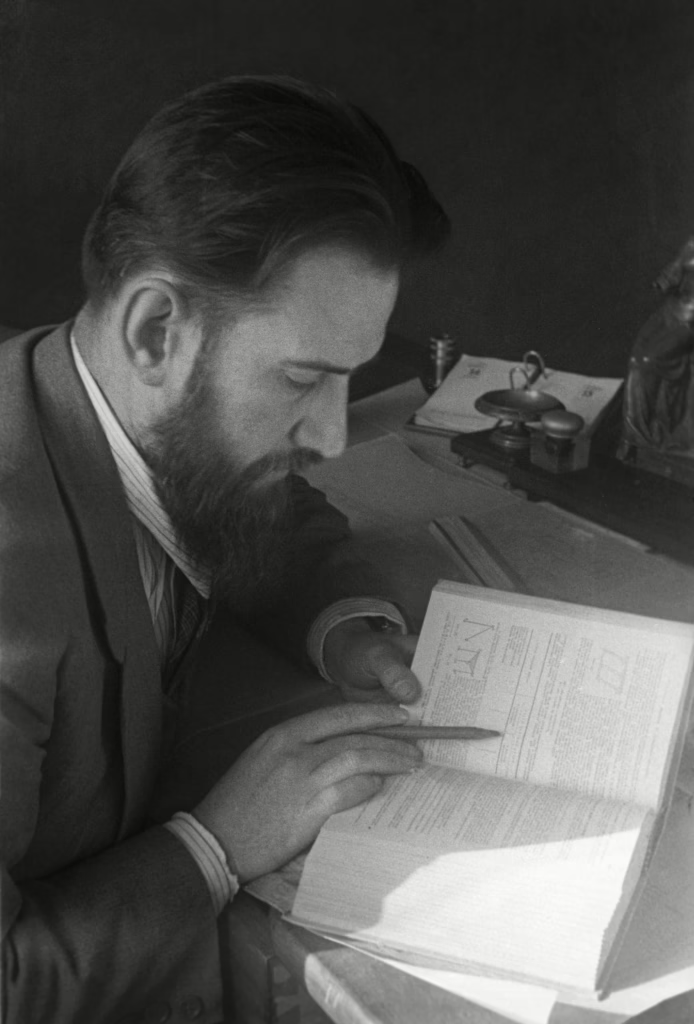
Kurchatov was not only a military scientist but also a pioneer in peaceful applications of nuclear energy. He directed efforts that led to the establishment of the world’s first civilian nuclear power plant in Obninsk in 1954, marking a milestone in energy history. His advocacy for nuclear energy extended to research in controlled nuclear fusion, reflecting his vision of harnessing atomic power for constructive purposes.
Igor Kurchatov's Accomplishments
Major Awards and Decorations
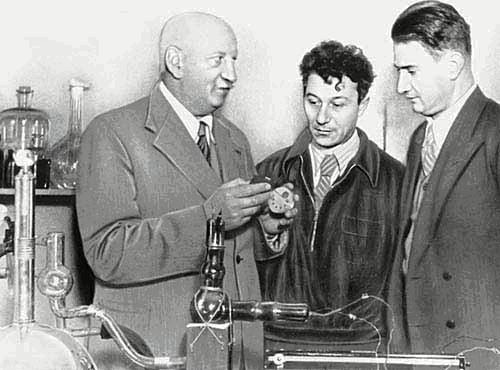
Igor Kurchatov received some of the highest distinctions of the Soviet Union for his leadership in nuclear science. He was awarded the title Hero of Socialist Labour, the nation’s most prestigious civilian honour, in recognition of his role in developing the Soviet atomic bomb. He also received multiple Orders of Lenin, the highest Soviet order, reflecting his central contributions to both military and civilian nuclear programs. In addition, he was a recipient of the Stalin Prize and later the Lenin Prize, both of which recognised ground-breaking scientific achievements.
Academic and Institutional Recognition
Kurchatov was elected a full member of the USSR Academy of Sciences, cementing his status as one of the country’s foremost scientists. His leadership extended beyond individual research, as he directed large-scale scientific projects and institutions, including the Soviet atomic energy program. His name became synonymous with Soviet nuclear science, and his reputation as a brilliant organiser and visionary scientist was widely acknowledged.
Posthumous Honours
After his death in 1960, Kurchatov’s legacy was preserved through commemorations and institutions. The Kurchatov Medal, established by the USSR Academy of Sciences, continues to be awarded to scientists for outstanding achievements in nuclear physics and energy. The Kurchatov Institute in Moscow, one of Russia’s leading nuclear research centres, was named in his honour and remains a hub for advanced scientific work. Monuments and memorials across Russia also celebrate his contributions, including medallions inscribed with his call for peaceful uses of atomic energy.
Legacy in Science and Society
Kurchatov’s legacy is twofold. On one hand, he is remembered as the “father of the Soviet atomic bomb”, whose leadership ensured the USSR’s rapid rise as a nuclear superpower during the Cold War. On the other, he is celebrated as a pioneer of peaceful nuclear energy, having overseen the development of the world’s first civilian nuclear power plant at Obninsk in 1954.
Explore Further
Continue learning about the lives of the people that shaped nuclear history.
Chien-Shiung Wu – The First Lady of Physics
John H. Lawrence – Pioneering the Atom in Medicine
Eugene Wigner – A Life Shaped by Symmetry and Science
Glenn T. Seaborg – The Man Who Rewrote the Periodic Table
Did you know? Explore Nuclear also offers great careers information and learning resources.
Below you can find references to the information and images used on this page.
Content References
Image References
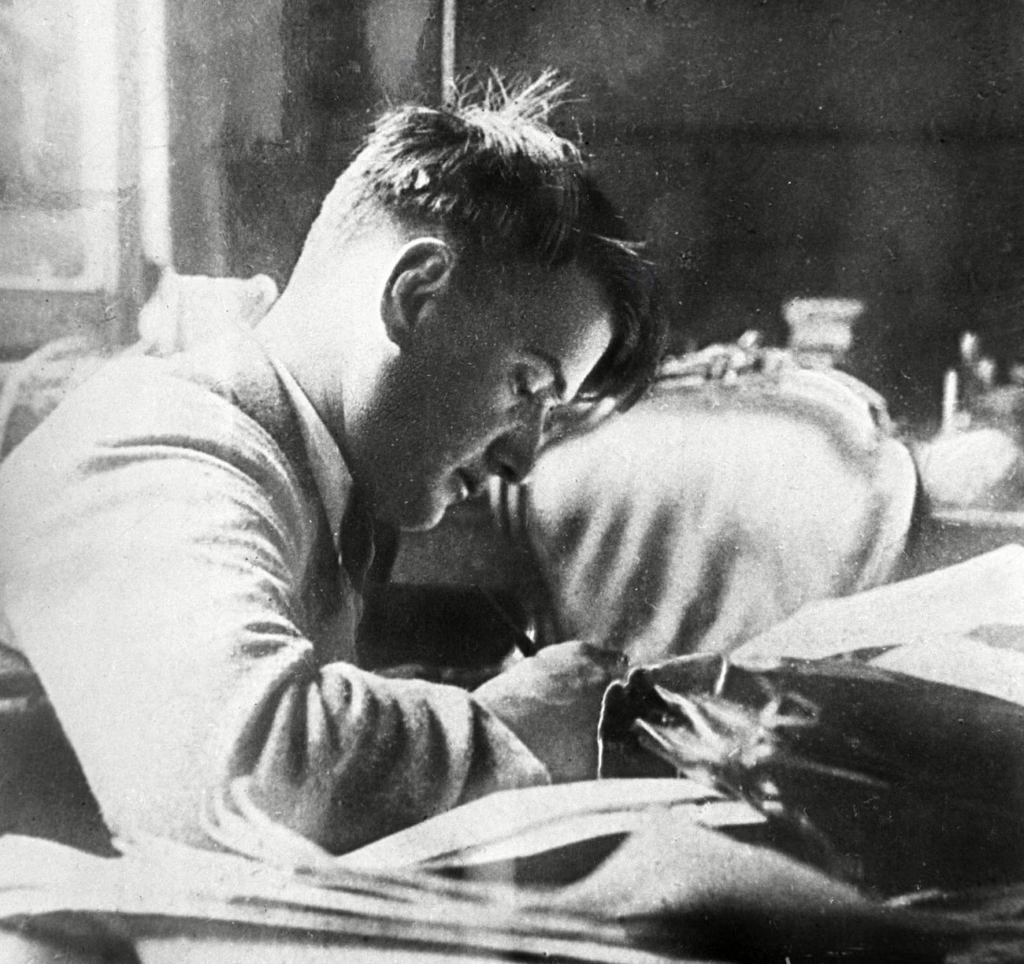
- Igor Kurchatov – Unknown author – Public Domain
- Kurchatov 1930th – Boris Losin – Public Domain
- Igor Kurchatov 1929 – Unknown author – Public Domain
- Alihanov Kurchatov Ioffe – Unknown author – Public Domain
- Игорь Курчатов, 1943 год – Евгений Тиханов – Public Domain