
Otto Hahn's Life
Life and Work
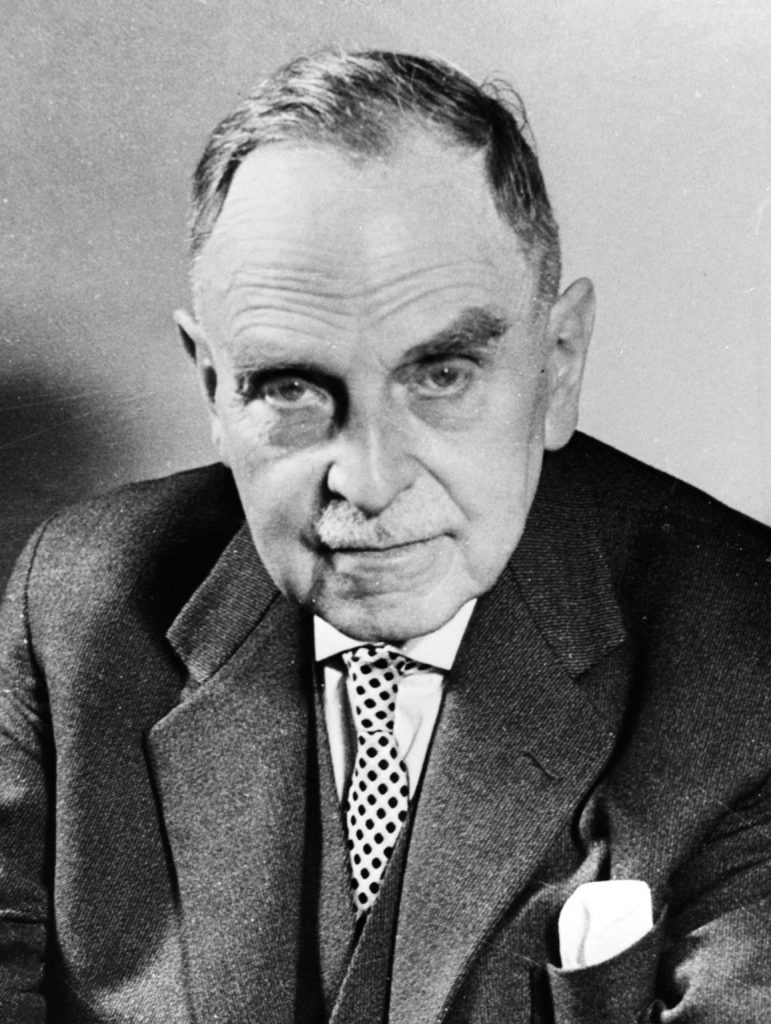
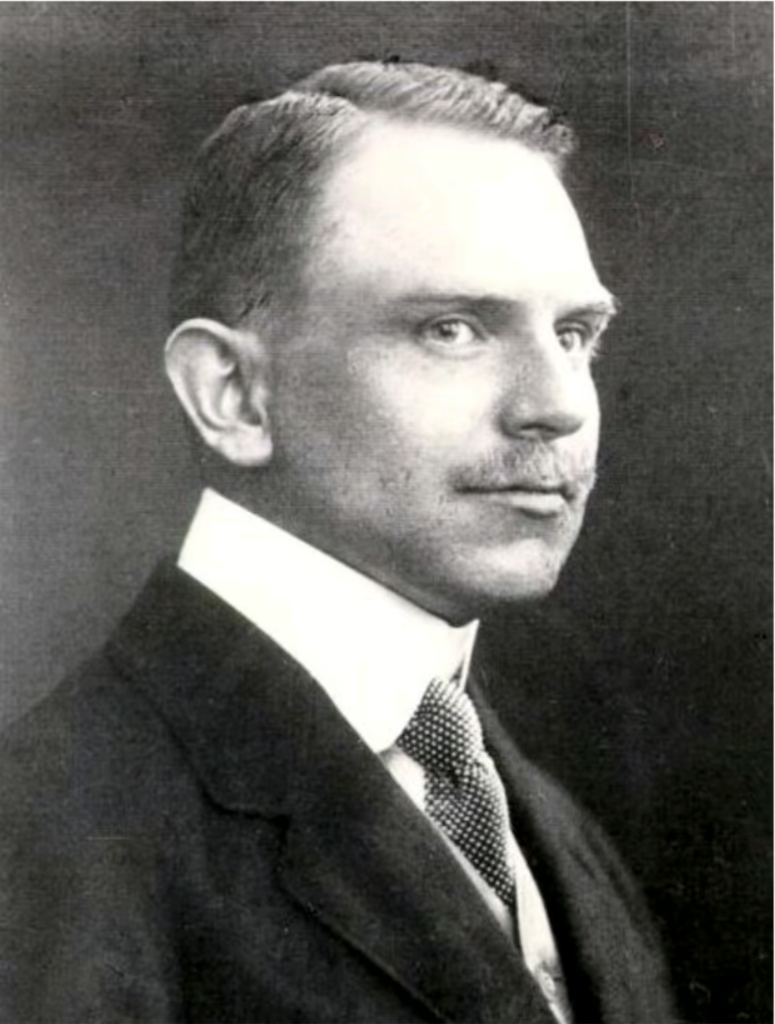
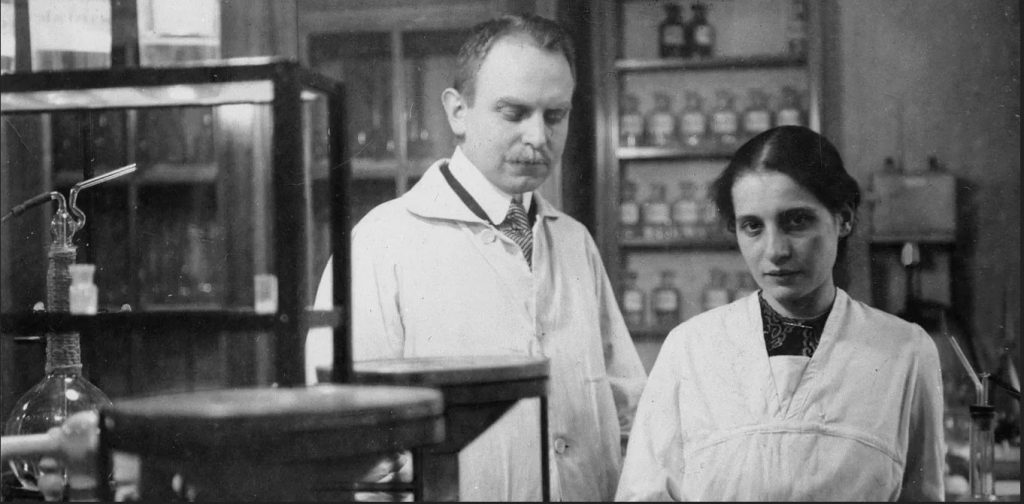
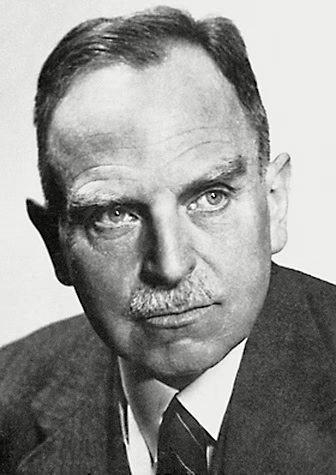
Born on March 8, 1879, in Frankfurt am Main, Germany, Otto Hahn studied chemistry at the Universities of Marburg and Munich. Early in his career, he worked in radiochemistry, collaborating with leading scientists such as Ernest Rutherford and William Ramsay. Hahn’s initial contributions included the discovery of several radioactive isotopes, including radiothorium, mesothorium, and ionium, which laid the groundwork for future nuclear research.
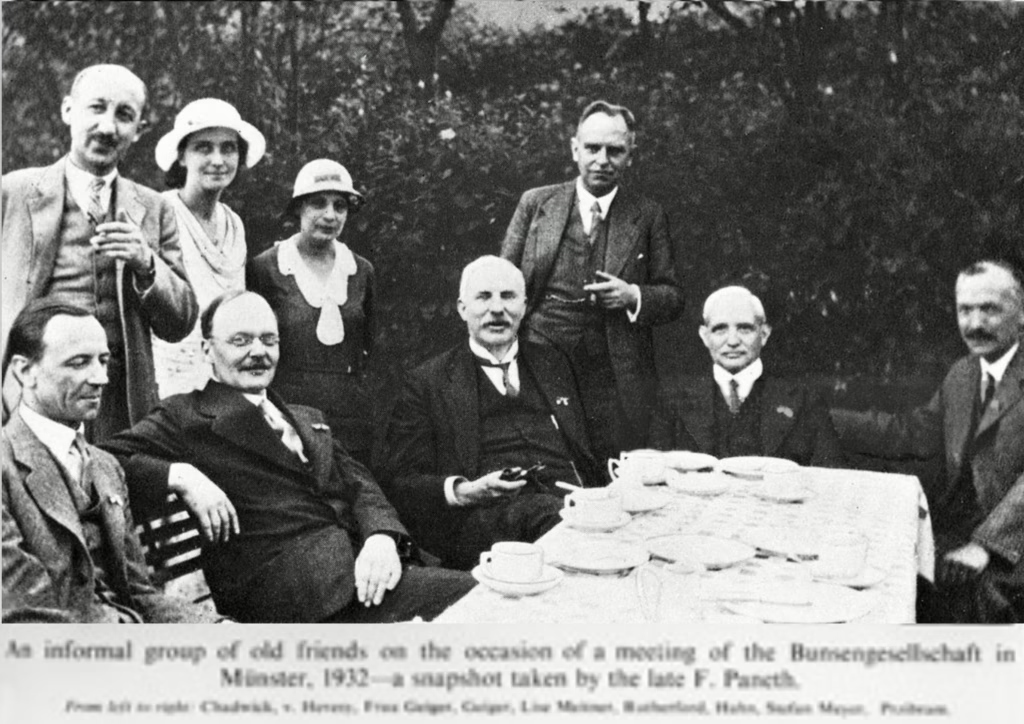
In 1917, Hahn and Lise Meitner identified the element protactinium, further cementing his reputation in the field of nuclear chemistry. Their collaboration continued for decades, and although Hahn was cautious about making bold claims in physics, their joint work was instrumental in advancing the understanding of radioactive decay and nuclear reactions.
Hahn’s most significant achievement came in 1938 when, alongside Fritz Strassmann, he discovered the process of nuclear fission, where uranium atoms split into lighter elements, releasing vast amounts of energy. This discovery was later interpreted and named by Meitner and her nephew Otto Frisch, who explained the physics behind it. Hahn’s work directly influenced the development of nuclear energy and atomic weapons, though he personally opposed their use.
After World War II, Hahn became a vocal advocate for ethical scientific research and nuclear disarmament. He served as president of the Max Planck Society from 1946 to 1960, promoting peaceful applications of science. Hahn received numerous honours, including the Max Planck Medal, the Pour le Mérite, and the Enrico Fermi Award.
Otto Hahn died on July 28, 1968, in Göttingen, Germany. His legacy endures not only through his scientific discoveries but also through his moral stance on the responsibilities of scientists in society. He is remembered as the “father of nuclear chemistry” and a key figure in the history of atomic science.
Otto Hahn's Scientific Contributions
Early Work in Radiochemistry
Otto Hahn began his scientific journey studying chemistry and quickly became a pioneer in the emerging field of radiochemistry. In the early 1900s, he discovered several radioactive isotopes, including radiothorium, mesothorium, and ionium, which were crucial for understanding radioactive decay. His work laid the foundation for nuclear chemistry and earned him recognition among leading scientists of the time.
Discovery of Protactinium
In 1917, Hahn and his long-time collaborator Lise Meitner identified the element protactinium, a significant milestone in the periodic table. This discovery filled a gap in the actinide series and demonstrated Hahn’s skill in isolating and characterising elusive radioactive elements. Their collaboration was notable not only for its scientific output but also for its longevity and mutual respect.
Breakthrough in Nuclear Fission
Hahn’s most ground-breaking contribution came in 1938 when he and Fritz Strassmann discovered nuclear fission, the process by which uranium atoms split into lighter elements, releasing immense energy. Although Hahn was cautious in interpreting the results, it was Meitner and Otto Frisch who later explained the physics behind the phenomenon and coined the term “fission.” Hahn’s experimental work was pivotal in launching the nuclear age and earned him the 1944 Nobel Prize in Chemistry.
Otto Hahn's Accomplishments
Awards and Honours
Otto Hahn received numerous prestigious awards for his pioneering work in nuclear chemistry, most notably the 1944 Nobel Prize in Chemistry for the discovery of nuclear fission. He was also honoured with the Max Planck Medal in 1952, the Grand Cross of the Order of Merit of the Federal Republic of Germany in 1959, and the Enrico Fermi Award in 1966. Internationally, he received accolades such as the Gold Medal of the Royal Society of Chemistry and was granted honorary doctorates from leading universities including Oxford and Princeton. His scientific legacy was further recognised through memberships in esteemed academies like the Royal Society and the U.S. National Academy of Sciences.
Postwar Advocacy and Leadership
After World War II, Hahn became a leading voice for ethical science. He opposed the use of nuclear weapons and advocated for peaceful applications of atomic energy. As President of the Max Planck Society from 1946 to 1960, he promoted scientific research and international collaboration. His leadership helped rehabilitate German science in the post-war era and emphasised the moral responsibilities of scientists.
Explore Further
Continue learning about the lives of the people that shaped nuclear history.
Ellen Gleditsch – Norway’s Pioneer of Radiochemistry
Homi J. Bhabha – Father of the Indian Nuclear Programme
Rosalyn Sussman Yalow – Revolutionising Diagnostic Medicine
Hans Geiger – More Than Just the Geiger Counter
Did you know? Explore Nuclear also offers great careers information and learning resources.
Below you can find references to the information and images used on this page.
Content References
Image References
- Otto Hahn 1970 – Basch – CC BY-SA 3.0 NL
- Otto Hahn 1912 – Unknown author – Public Domain
- Hahn and Meitner in 1912 – Unknown author – Public Domain
- Bunsentagung 1932 Münster – Friedrich Paneth – Public Domain
- Otto Hahn (Nobel) – Nobel Foundation – Public Domain